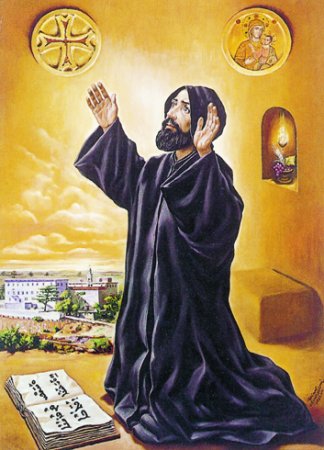
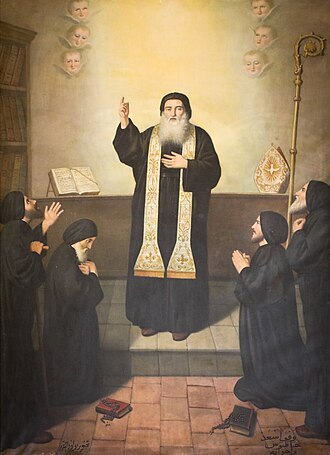
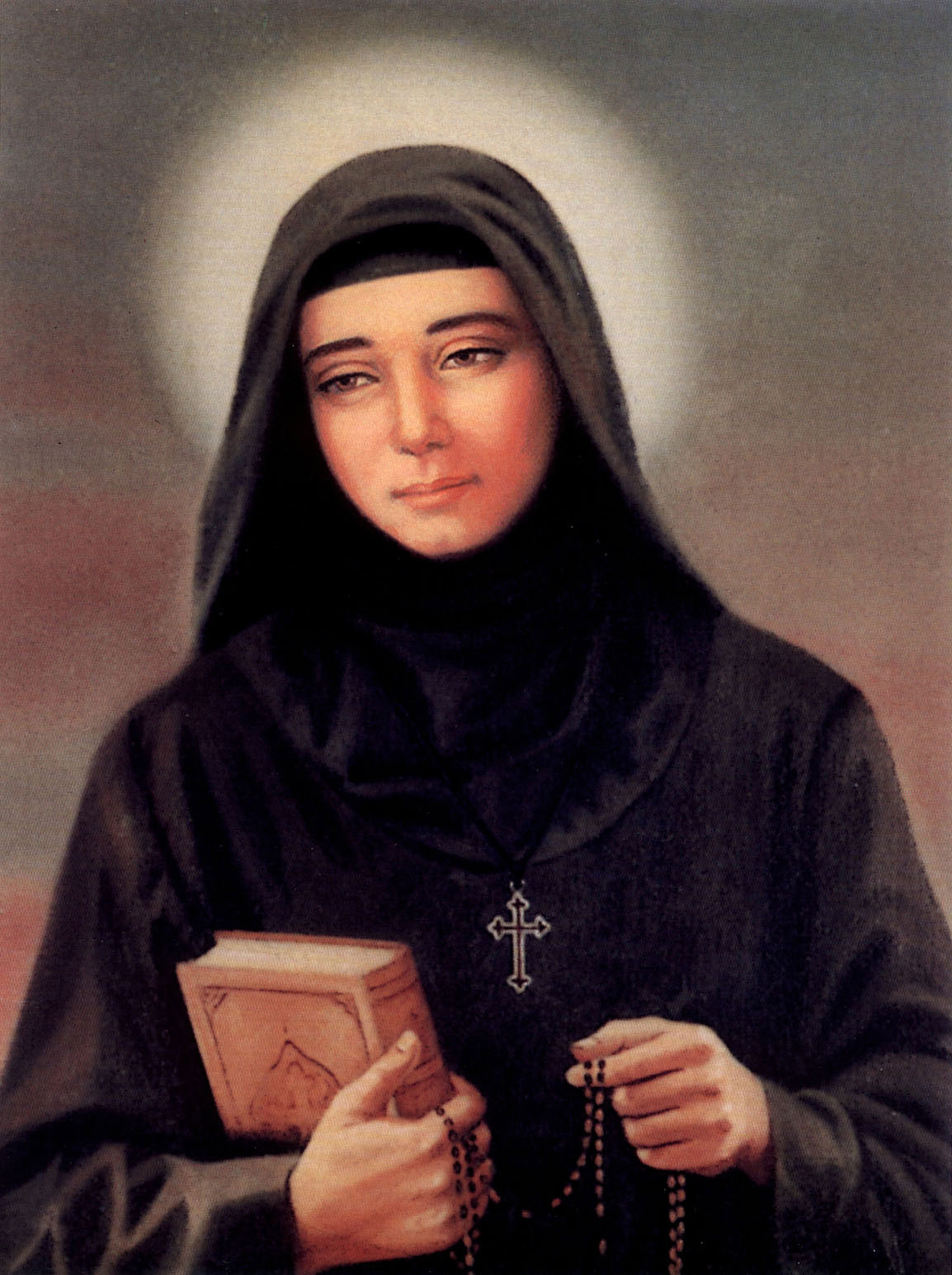
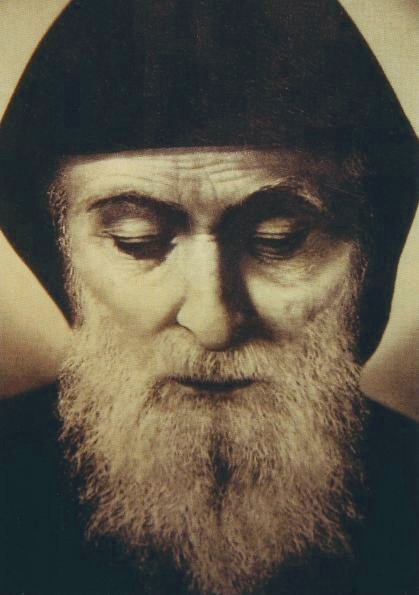
Yūsuf Nehmé was born on 8 March 1889 in Lehfed, in the mountains of Lebanon. As a young man he entered the Lebanese Maronite Order — the same order Saint Charbel Makhlouf belonged to — and took the religious name Estephan (Stephen). Rather than pursue the priesthood, he chose to remain a lay brother, giving his life to the humble, unseen work that keeps a monastery running.
Over 31 years, Brother Estephan served at several monasteries across Lebanon: tending fields and learning carpentry at Our Lady of Mayfouk, caring for gardens and vineyards at Saint Antonios in Houb, and doing construction work at Saint Challita in Kettara. He carried stones, dug soil, and repaired what needed repairing — ordinary tasks that he treated as acts of worship, because he believed, simply and completely, that God was watching.
He died on 30 August 1938 at the Monastery of Saints Cyprian and Justina in Kfifane, largely unknown outside his own community. In 1951, when his tomb was opened, his body was found incorrupt — a sign that renewed interest in his quiet holiness. His cause for beatification opened in 2001; Pope Benedict XVI declared him Venerable in 2007, and on 27 June 2010, Archbishop Angelo Amato beatified him at Kfifane on the pope's behalf.
Blessed Estephan Nehmé
Blessed
A humble Lebanese Maronite lay brother who turned a lifetime of quiet manual labor into prayer, guided by one motto: "God sees me."
- Born
- 1889-03-08
- Died
- 1938-08-30
- Birthplace
- Lehfed, Lebanon
- Died in
- Kfifane, Lebanon
- Century
- 20th century
Categories
Why People Pray to Blessed Estephan Nehmé
Brother Estephan is loved precisely because his holiness had nothing spectacular about it. He never preached, wrote, or held any position of authority — he simply worked, prayed, and stayed faithful to small things for over three decades. People today ask for his intercession when they feel their own daily work, chores, or ordinary responsibilities go unnoticed and unrewarded, and they turn to him as a reminder that no task done with love is ever truly hidden from God.
“God sees me.”